

By Awa Malicka Barro, Founder of Konay Spice Shop
Growing up in an Ivorian household, ginger was never just a spice. It was the smell of Sunday mornings with my mother's ginger-garlic-parsley marinated chicken sizzling in the pan. It was my grandmother's daily ritual with honey, lemon, kinkeliba leaves, and fresh ginger paste every single morning. Ginger was medicine, memory, and love layered into one root that connected me to generations of women who understood its power intuitively and used it deliberately.
So when I sat down in a climate change and sustainability course during my Master's in Sustainable Food Systems at the Culinary Institute of America and encountered the data behind how ginger is actually grown at scale; I was shocked to learn how carbon-intensive, water-heavy, and dependent on monoculture systems this ingredient was. The same ingredient that shaped my identity, my childhood, and now my business, was being produced in a way that contradicted everything I believed in.
That moment became the question behind my capstone research, which turned out to be bigger than a research paper.

The Problem With How We Grow Ginger
Before I share what I found, let me paint the picture of what conventional ginger cultivation actually looks like.
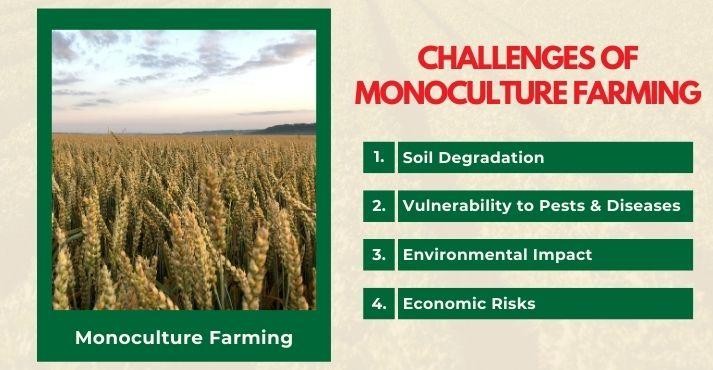
Most of the ginger consumed in the United States originates from large-scale farms in China, India, and other parts of Asia, often grown using monoculture methods that deplete soil nutrients over time, require significant chemical inputs, and consume enormous volumes of water. The global supply chain that moves it from farm to your spice cabinet is long, opaque, and rarely traceable.

Meanwhile, regions like West Africa (including my home country of Côte d'Ivoire) face increasing climate pressure such as erratic rainfall, land degradation, and temperatures rising in ways that threaten traditional farming practices that communities have relied on for generations. The Food and Agriculture Organization of the United Nations has identified these trends as an urgent threat to agricultural viability across West Africa.
As a founder building a spice brand rooted in cultural heritage and health-first values, I couldn't ignore that disconnect any longer.
What I Did About It
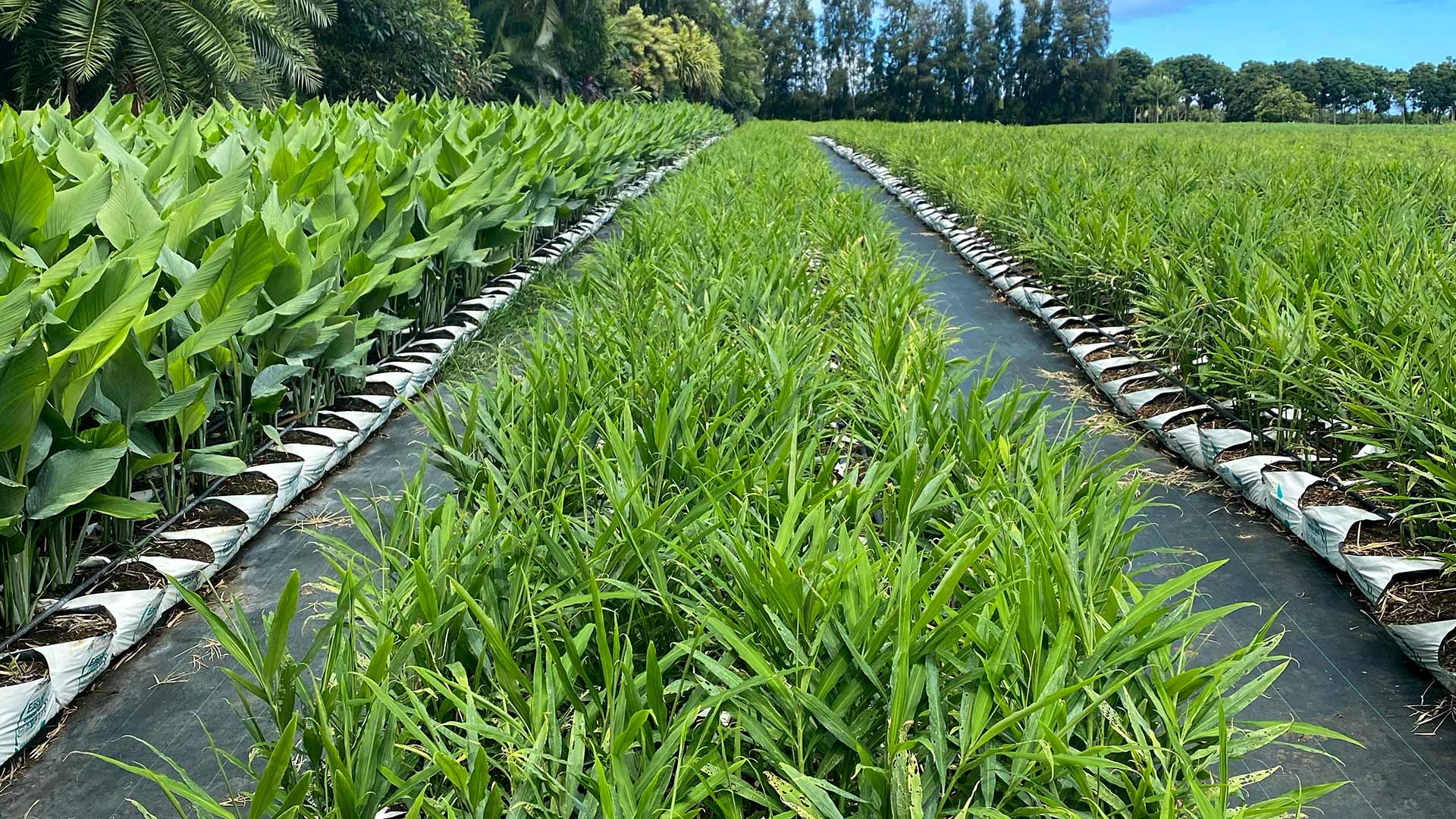
For my capstone project at the Culinary Institute of America, I designed and built a passive hydroponic ginger cultivation system from scratch. This means not in a controlled greenhouse but on a real working farm in Gilbertsville, PA in partnership with my mentor Rachel Wilson, Director of Farming at Tomorrow's Homestead.
The system combined two methods:
The Kratky Method — a passive hydroponic technique developed by Dr. Bernard Kratky at the University of Hawai'i, in which plants sit above a non-circulating reservoir of water. No pumps. No electricity. No daily intervention. The roots grow downward as the water level naturally recedes.
The Hoocho Self-Wicking Design — a YouTube-popularized adaptation that adds grow bags with cotton wicks and grow spikes resting above rain gutter reservoirs. The wicks draw moisture upward into the growing media, keeping the root zone consistently hydrated without mechanical systems.
The hybrid of these two approaches was intentional. Dr. Kratky himself, who I had the privilege to connect with during this research; advised me to run both systems in parallel to compare performance and build redundancy. The goal was simple but meaningful... To test the feasibility of ginger grown without soil, without pumps, without expensive equipment, and without the ecological cost of conventional farming.


The Setup
I started germinating bout one pound of store-bought organic ginger rhizomes on March 23, 2025 which cost roughly $3.98. By June 16, 2025, the pre-sprouted rhizomes had developed 3 to 6 inch shoots and were ready to transplant into the system's grow bags.
The growing media were tested across three types were:
- Coco coir grow bags (Green) — 3 bags, 2.6 gallons each
- Coco coir + perlite grow bags (White) — 3 bags, 2.6 gallons each
- Peat + perlite in 3-gallon pots (Black) — 4 pots with net pots feeding directly into the rain gutter channels
The reservoir held 20 gallons of nutrient solution using the General Hydroponics Flora Series (a three-part system made of FloraGro, FloraBloom, FloraMicro) that allows for flexible nutrient adjustments at each stage of growth. Ginger thrives with balanced nitrogen for leafy growth, phosphorus for root and rhizome development, and potassium for overall plant vigor, so having that precision mattered.


Every Saturday, I visited the site to measure plant height, observe new shoot formation, check wick saturation, and monitor water chemistry using a digital EC meter and pH reader. The target was a pH between 5.0 and 6.2, and EC levels between 1.91 and 2.0 mS/cm, both of which are the optimal range for healthy ginger growth.
The Findings
Four weeks after transplanting, here is what the data showed:
| Growing Media | Week 1 Shoot Length | Week 4 Shoot Length | Key Observation |
|---|---|---|---|
| Coco coir bags | 3–6 inches | 8–12 inches | Consistent moisture, new shoots forming |
| Coco coir + perlite bags | 3–6 inches | 6–13.5 inches | Tallest, greenest growth — best performer |
| Peat + perlite pots | Ungerminated rhizomes | 0.5–2 inch eyes + 2 inch shoots | Active pre-sprouting, root formation beginning |
The standout performer was the coco coir with perlite mix. The perlite added air-filled porosity to the root zone which is essentially giving the roots room to breathe, and consequently, the ginger responded exceptionally well. By week 4, those bags were producing the tallest and greenest shoots in the entire system.


Even the peat-based pots, which housed ungerminated rhizomes receiving nothing but passive nutrient delivery through the gutter system, showed visible eye development and new root formation by week 4. No pumps. No active watering. Just a well-designed passive system doing its job.


The wicks stayed saturated throughout. The moisture levels across all media remained consistent with no signs of drying out or root rot. And the nutrient readings never left the optimal range.
However, as we know it, real experiments can have real world problems. During Week 2, I arrived at the site to find that the reservoir had dropped from 20 gallons down to about 3 gallons. A leak at the rain gutter endcaps had been slowly draining the nutrient solution all week, undermining the float valves that were designed to regulate water flow.
The fix? Heavy duty duct tape, sealed directly over the endcaps.

It worked and by the end of week 3, the reservoir was still halfway full which was a complete turnaround from the near-empty state of Week 2. The float valves resumed functioning properly, halting water delivery when the gutters were full and resuming when levels dropped.
That moment itself made me realize that sustainable agriculture doesn't require perfection. It requires attention, adaptability, and a willingness to problem-solve in real time. The system was resilient because I was willing to be.
What This Has to Do With Konay & You
Here is why I am sharing all of this experiment on our blog.
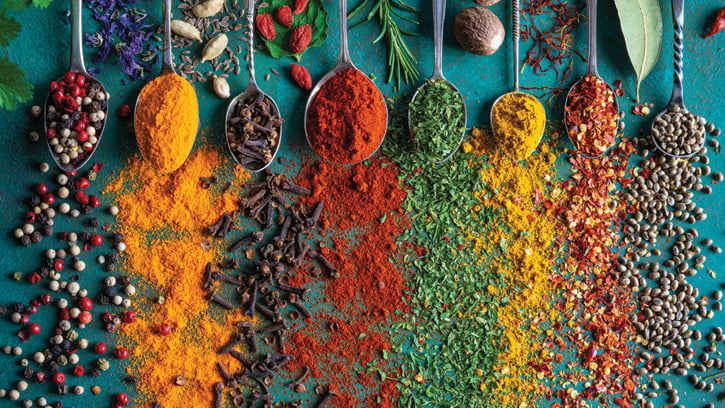
Every blend in Konay Spice Shop is built around powerful ingredients. Ginger is the heart of the health benefits in every single one of our spice blends for its anti-inflammatory and antioxidant compounds known to support the digestive system. Ginger paired with other champion spices are the reasons these blends do what they do, and the science backs up why diversity in your spice cabinet matters beyond flavor. Research found significant beneficial changes in gut microbiota composition associated with higher intakes of herbs and spices which include increases in microbial diversity linked to reductions in blood pressure over just four weeks of regular consumption. Additional research has shown that people who consume larger amounts of polyphenols which is the bioactive compounds found in spices, tend to have higher levels of beneficial bacteria in the gut, including Lactobacillus, which helps prevent intestinal damage. A diverse gut microbiome is a resilient one, and the most direct path to building it is through what you cook with every day.

This capstone project is a proof of concept for a long-term vision I have been carrying since the day I founded Konay which is a regenerative spice farm that grows its own ingredients, and supplies to local and global communities that have historically had the least access to real nutrition.
The hydroponic system I built at Tomorrow's Homestead in Gilbertsville? It cost approximately $1,700 to set up. It required no electricity, no soil, minimal water, and weekly Saturday visits. Based on conservative growth projections, a single season could yield 50 to 70 pounds of fresh ginger from a modest system footprint.
Community Involvement
This is also where our partnership with the Opportunity League comes in.
The Opportunity League (TOL) is a 501(c)3 nonprofit organization that provides educational, athletic, and community development opportunities for youth and adults. They are opening a community food hub in Burlington City, New Jersey, where access to fresh groceries and nutritious food has long been out of reach. They are working to bring a grocery store and a health-forward restaurant into a community that has been systematically underserved. Burlington City is a majority BIPOC community where, like so many food deserts across the country, the absence of fresh grocery options has long made healthy eating not a choice but an impossibility. Diet-related illness such as high blood pressure, cardiovascular disease, and diabetes, disproportionately affects BIPOC communities nationwide, and access to real nutritious food is one of the most direct levers we have to change. 
Our partnership with TOL is a strategic solution to tackle this issue. I designed and curated the Villages Community Marketplace restaurant menu with the clear intention to feed this community the way it deserves to be fed. Good, Nutritious, and Intentional food that does not ask people to choose between flavor and their health.


I also donated my hydroponic system and volunteer weekly to the Villages community garden. The system is now continuing to grow food and demonstrate that sustainable agriculture does not belong only to people with land, capital, and resources. It belongs to every community. This, more than any data point or growth measurement, is what this entire project confirmed for me. Good food is not a privilege. It can be grown anywhere, by anyone...from a rain gutter on a Pennsylvania farm, to a community garden in New Jersey, or in the comfort of your own home. All it takes is knowledge, intention, and care.
Why Passive Hydroponics Matters Beyond This Experiment
One number stopped me when I first encountered it in my research which was passive hydroponic systems can reduce water use by up to 90% compared to soil-based farming.
NINETY PERCENT.
In a world where water scarcity is accelerating, where erratic rainfall threatens traditional farming, where smallholder farmers are being squeezed off their land by climate change and capital barriers; it is clear that a system that grows food using 90% less water, without electricity, without expensive infrastructure, and without technical expertise could be a solution.
Personal Reflection
This capstone taught me things that no classroom could have.

I learned that ginger thrives in coco coir with perlite under passive hydroponic conditions which is a finding that now directly informs how Konay is thinking about its future ingredient sourcing. I learned that the biggest threat to a simple system is not complexity but could be a small overlooked detail like an unsealed endcap. Most importantly, I learned that sustainable agriculture does not require perfection, capital, or a fancy degree. It does however require curiosity, care, and the willingness to try, fail, and LEARN.
This project taught me that I am capable of turning an idea into something tangible, even with limited time, resources, and a body that was growing a human being while I was growing ginger. I researched, built, and ran this experiment through my third trimester, and presented my capstone findings one month postpartum. I definitely gained confidence not just as a researcher, but as someone who can problem-solve in real time, adapt when things go sideways, and stay rooted in purpose when the easier path would be to quit.
What worked: the low-maintenance design held up under real-world conditions, and the ginger grew against the odds and without a greenhouse. What did not work: I would seal the endcaps properly from day one, and start germination indoors much earlier to align with the outdoor season.
As someone who aspires to be a leader in sustainable spice farming, and help build a spice trade that is transparent, fair, and traceable; I want the next generation of underrepresented growers to know that it is possible. Through all of it, I kept coming back to the same reminder. A business that grows at the expense of its community is not a business worth building. From the beginning, Konay was designed around three things: people, planet, and profit. This is the standard I hold myself to every single time I blend a jar, visit the garden, or prepare food for my community.
My long-term vision is to replicate this system in the U.S and in my home country Côte d'Ivoire to bring low-tech hydroponic ginger cultivation to smallholder farmers who are navigating exactly the conditions this research was designed to address. Erratic rainfall. Limited capital. Land degradation. A food system that was not built with them in mind.
Shop the Blends. Know the Story. Join The Movement.
Every Konay blend is plant-based, gluten-free, and crafter with extraordinary ingredients that were researched, studied, and determined to be beneficial for the human body.
When you cook with Konay you are cooking with intention. With science. With a story.
→ Shop the full Konay blend collection at konayspiceshop.com
→ Follow along on TikTok and Instagram for more behind the scenes, recipes, and community garden updates.

Awa Malicka Barro is the founder of Konay Spice Shop and holds a B.Sc. in Supply Chain and Logistics from Rowan University and a Master of Professional Studies in Sustainable Food Systems from the Culinary Institute of America. Her capstone research on passive hydroponic ginger cultivation was conducted at Tomorrow's Homestead, Gilbertsville, PA, and supported by capstone committee members Rachel Wilson M.S., Sami Lahoud of Empact Studios, and Matthew Peterson M.S.; with an honorable mention to Dr. Bernard Kratky of the University of Hawai'i, thank you for inspiring a new generation of curious and innovative growers.
0 commentaire